


Tesla FSD (Full Self-Driving capability) has officially been made available in China and multiple other countries, once again putting smart driving in the industry spotlight.
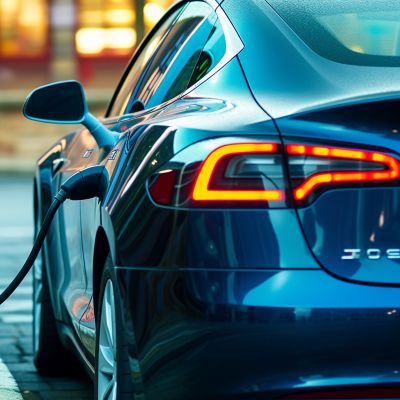
While algorithms and chips dominate discussions, the impact of automotive paint on radar signals has received little attention. Traditional metallic paints, which contain high levels of aluminum powder, can significantly attenuate millimeter-wave radar signals and generate clutter. This has led to incidents such as “phantom braking,” prompting a recall of certain vehicle models. Meanwhile, the carbon black pigments used in dark-colored paints strongly absorb near-infrared light from LiDAR, impairing detection and recognition.
In response, pearlescent pigment manufacturer Kuncai Technology has introduced its Wavemaster series of smart-driving pearlescent pigments. These products contain no metal components; instead, they achieve a metallic luster through a special material structure. Their millimeter-wave transmittance is far superior to that of traditional aluminum pigments, effectively reducing signal attenuation and clutter interference. At the same time, they offer better hiding power than standard automotive-grade pearlescent pigments, allowing them to partially replace carbon black pigments, thereby lowering near-infrared absorption and enhancing LiDAR echo signal strength. This makes dark-colored paints more clearly visible to sensors.
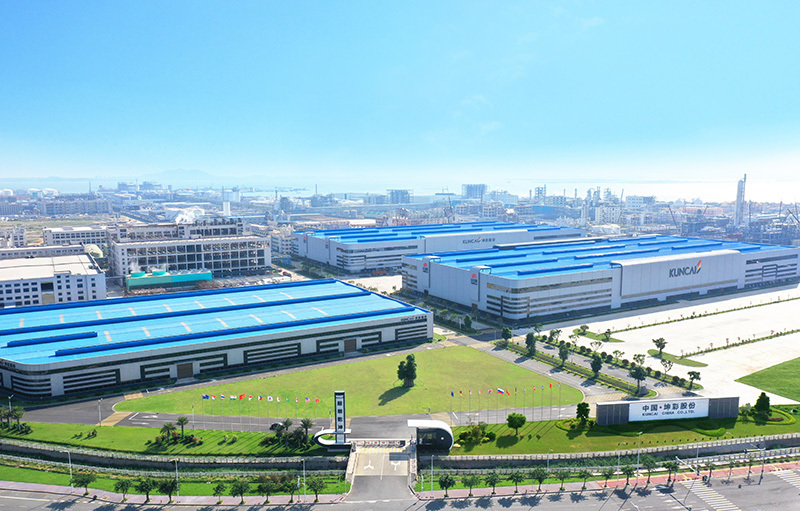
Kuncai Technology states that the series aims to achieve a balance between automotive aesthetics and functional safety for smart driving, ensuring that the paint delivers a premium visual appearance without interfering with sensors. This provides a new material solution for the coordinated development of intelligent vehicle exterior design and perception systems.