


HZ Info, On October 23, Shanghai Aurora Chemical held a Laurence World Records certification and plaque presentation ceremony in Shanghai. Its self-developed inorganic radiative cooling coatings technology was officially reviewed by Laurence World Records and certified as “the world’s first inorganic radiative cooling coatings technology.”
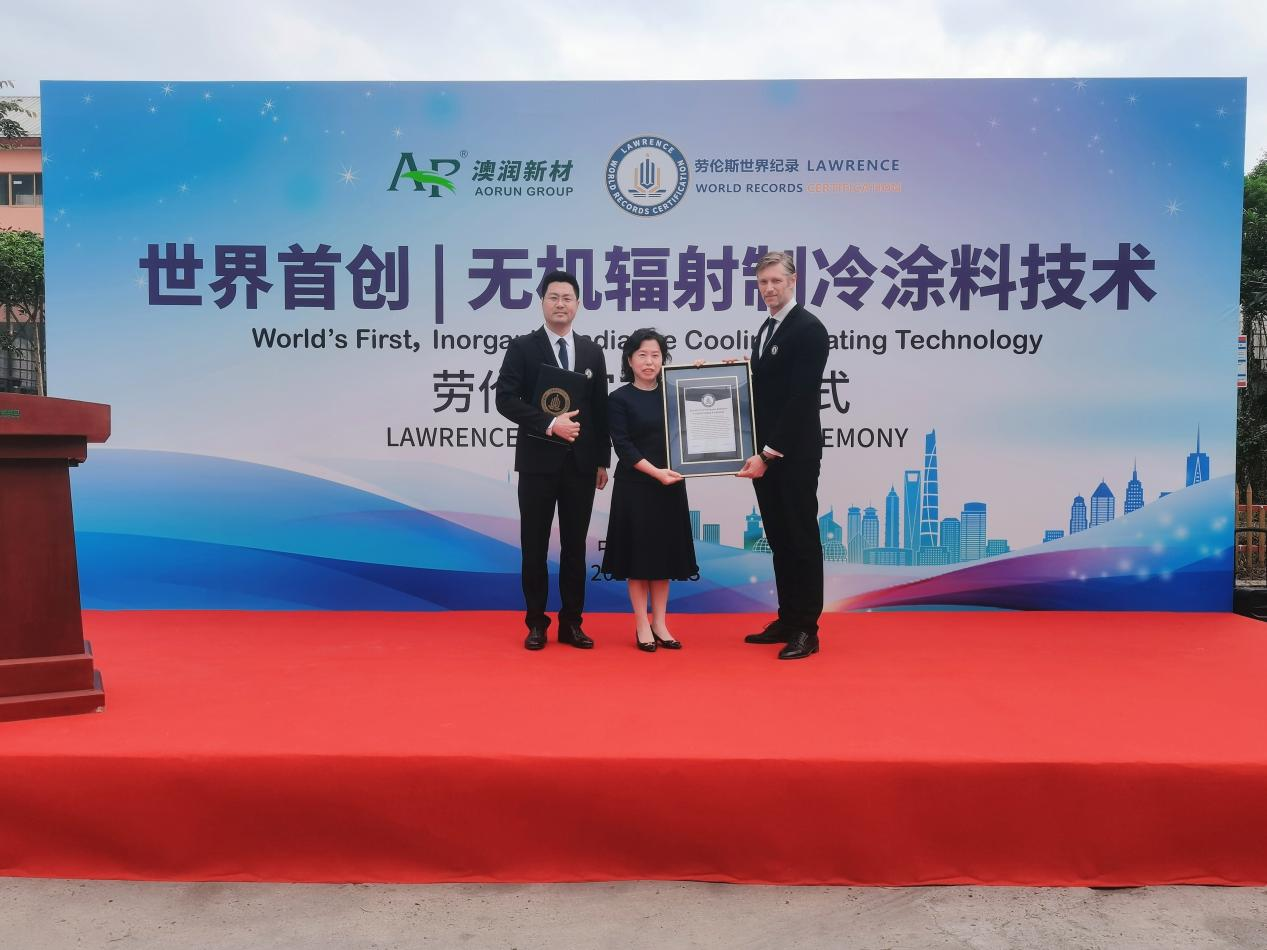
Since 2013, Aurora has been deeply engaged in the field of radiative cooling technology, and in January 2024 it achieved the world’s first inorganic radiative cooling coatings technology. The technology adopts an inorganic modified silicate system and builds a multi-component inorganic functional filler compound system, achieving integrated multifunctionality with high-efficiency cooling, high weather resistance, flame retardancy and fire resistance, and ultra-low VOC.
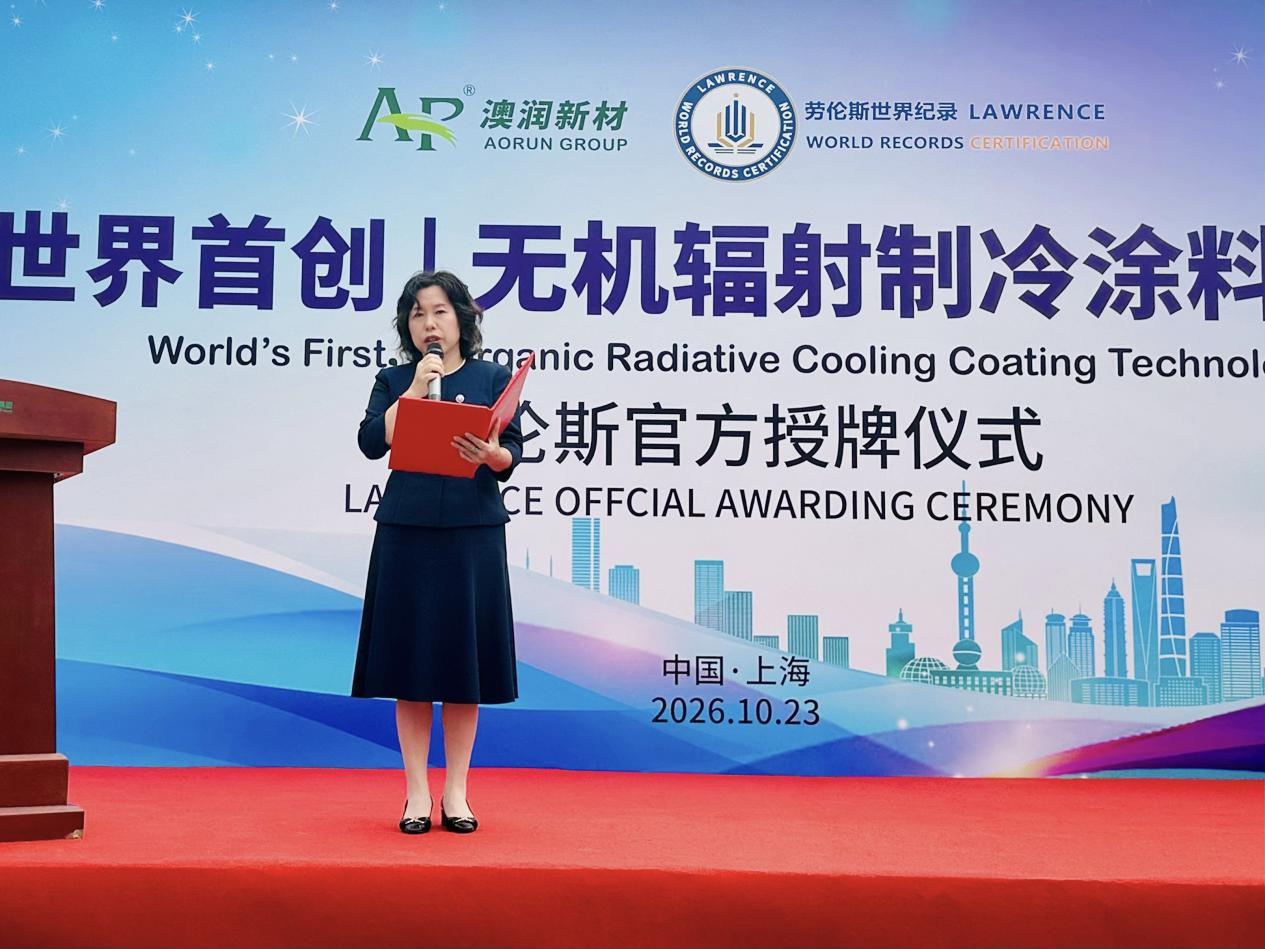
Peng Jie, Chairman of Aurora Group
In her speech, Peng Jie, Chairman of Aurora Group, reviewed the company’s technological path: over the 26 years since its founding, Aurora has always focused on R&D innovation and industrialization of energy-saving thermal insulation and environmentally friendly inorganic coatings new materials. In 2013, the company took the lead in entering the core materials track for reflective thermal insulation coatings, independently developing core products such as infrared reflective color pastes, functional microspheres, and aerogel thermal insulation materials, and grew into a leading raw material and technology solution provider in China’s reflective thermal insulation coatingss field. In 2023, Aurora took the lead in launching a commercial electricity-free cooling pigment system, promoting the market application of radiative cooling coatingss in China; in 2024, it released the “SOUCOOL” electricity-free cooling coatings product series and led the organization of China’s first special technical salon on radiative cooling coatings.
Radiative cooling is a passive cooling technology. Its core principle is to radiate heat to space through the 8–13 μm infrared atmospheric window, so that the surface temperature remains lower than the ambient temperature even under direct sunlight. Unlike traditional active cooling technologies, it does not consume electricity, fundamentally avoiding problems such as power consumption, carbon emissions, and ozone depletion caused by refrigerants.
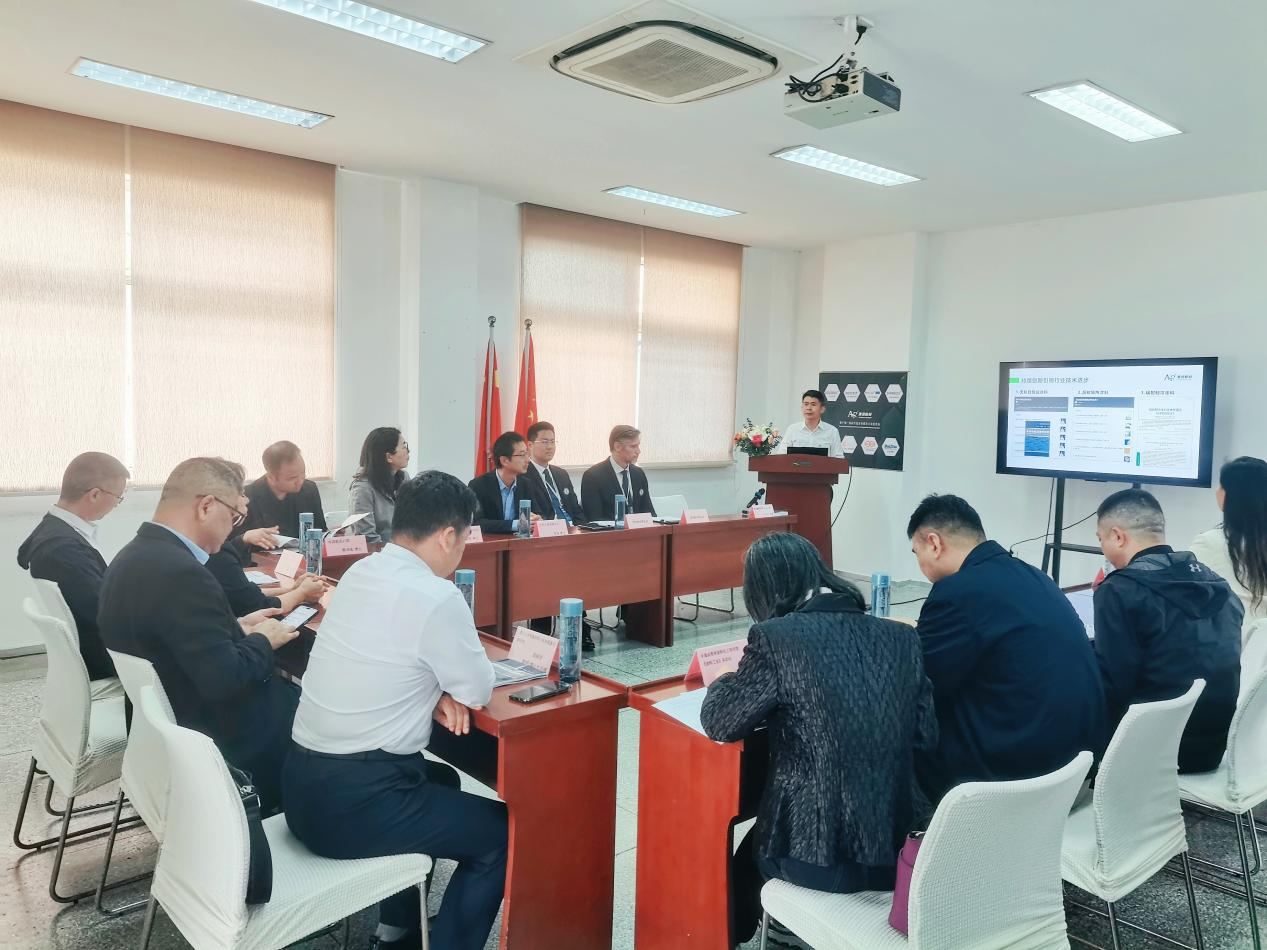
In the technical introduction, Xu Kaibin, Technical Director of Aurora, pointed out that compared with traditional white coatings, radiative cooling coatings have higher cooling efficiency and can make surface temperatures lower than ambient temperature. This technological route has continued to attract international attention in recent years. At this year’s Davos Forum, radiative cooling materials technology was listed as one of the Top 10 Emerging Technologies. At present, the technology is ready for mass production and commercialization.
In terms of key technical indicators, the SOUCOOL series products developed by Aurora perform excellently in solar reflectance, hemispherical emissivity, and atmospheric-window emissivity. Studies show that solar reflectance plays a decisive role in cooling performance; when the total solar reflectance is above 0.90, even at ordinary emissivity, the coatings surface temperature can still be lower than ambient temperature. To this end, Aurora adopted multiple strategies in its technical approach, including selecting inorganic silicate resins and wide-bandgap pigments, constructing porous structures, designing composite coatings systems, and optimizing pigment particle size combinations, thereby improving performance from both material and structural aspects.
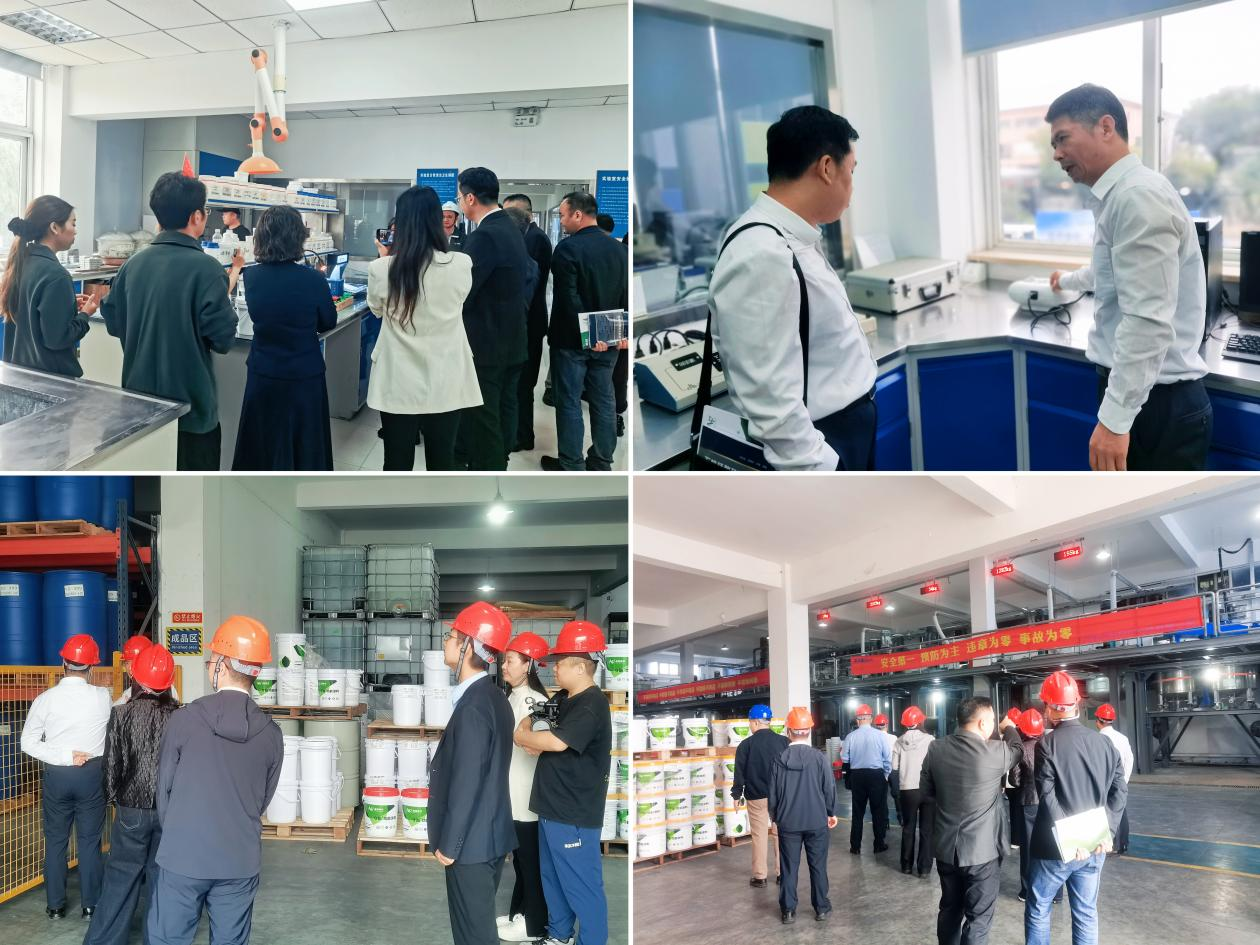
After the ceremony, the guests visited Aurora’s R&D center and factory area to gain an on-site understanding of its technology R&D and application translation capabilities. Under the “dual carbon” strategy, radiative cooling coatings, as a key material for green buildings and energy conservation and consumption reduction, are embracing important development opportunities. Chinese companies represented by Aurora are driving the industry’s transformation from “traditional manufacturing” to “green intelligent manufacturing” through continuous technological innovation, providing material support for building a low-carbon and sustainable development environment.